Preparing a Safer Walking Routine for Someone With Memory Loss
Start with the person's current walking habits
A safe walking plan begins with what already happens, not with an ideal routine. Note the usual times of day, the streets or paths taken, the turnaround point, and whether the person walks alone. Memory loss can make familiar routes feel confusing at different times, so a walk that is fine in the morning may be harder at dusk. Pay attention to places where the person tends to hesitate, cross busy roads, or take a wrong turn.
The aim is not to stop all independence. For many people, walking supports mood, sleep, mobility and a sense of normal life. The plan should protect those benefits while reducing the chance of disorientation, falls or a long period of being missing. Keep the first version simple, then adjust it as patterns become clearer.
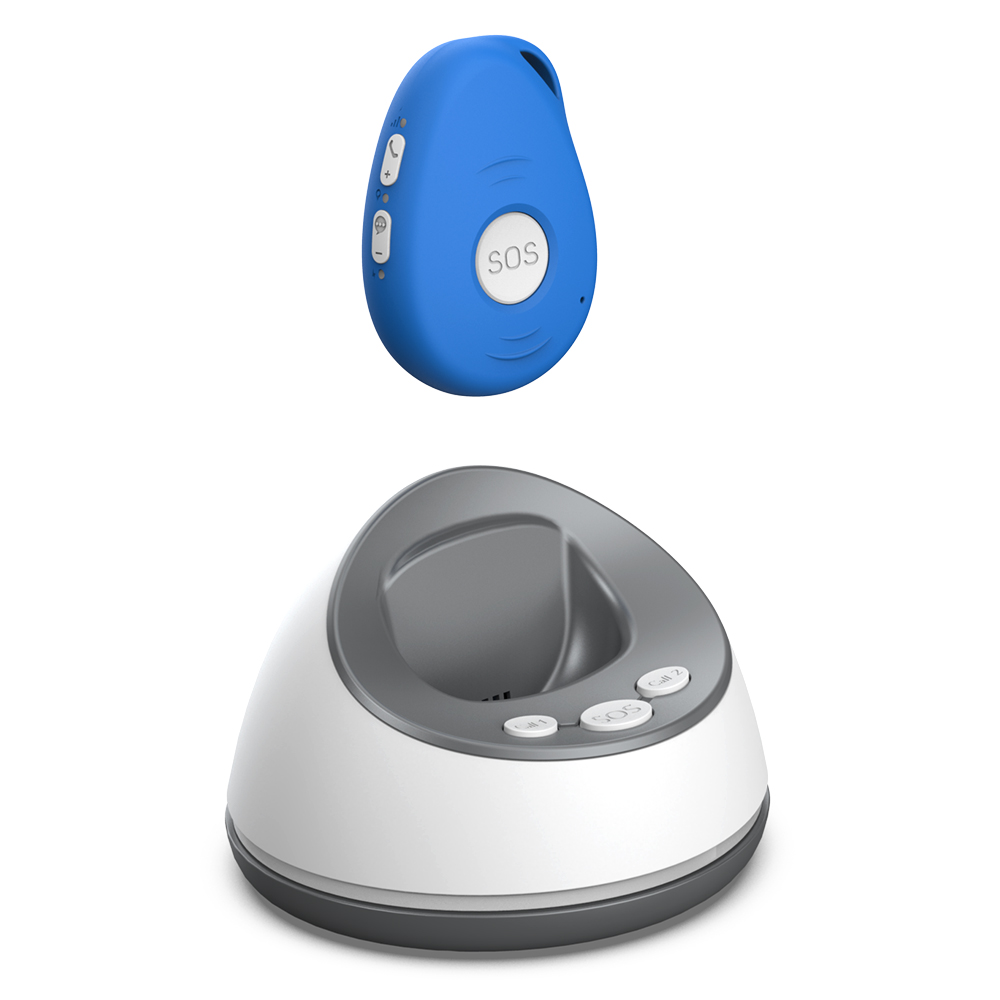
Choose one trusted contact as the main point of contact and a second as a backup. Everyone involved should know the route, the expected duration and what to do if a call is not answered. If the person uses a GPS medical alarm with SOS alerts, location features and two-way calling, include that device in the plan from the start rather than treating it as an extra.
Map the route before changing it
Write the route in plain language. Use landmarks the person still recognises, such as a mailbox, a corner shop, a park gate or a distinctive tree. Avoid relying only on street names if those are hard to recall under stress. A short loop with few turns is usually easier than a long out-and-back route with several crossings. Quiet streets, sealed paths and well-lit areas deserve priority over shortcuts.
Walk the route mentally with the person and ask them to describe what they expect at each turn. This is not a test. It is a way to spot gaps between the plan and what the person actually understands. If the answer is vague, simplify the route rather than repeating instructions more loudly.
Check the practical details along the way. Are footpaths even? Are there driveways, loose gravel, steep sections or busy intersections? Is there somewhere to sit if the person tires? Can a trusted contact reach the route quickly by car or on foot? A route that looks short on a map may take much longer at a slower pace.
For some families, a safe zone around the home or a regular walking area can help define the boundaries. This is useful when the person is okay near familiar places but becomes unsettled further out. Boundaries work best when they are clear and paired with a simple plan for what happens if the person goes beyond them.
Set the walk up so it is easy to follow
Give the walker one clear instruction at a time. Too many rules can collapse into confusion. A useful pattern is where the person is going, how far they are going and when they expect to be back. Keep this wording consistent across carers and family members. If the person reads well, a short written reminder at home may help. If reading is difficult, use a simple visual cue such as a photo of the turnaround point.
Timing matters. Some people walk more confidently after a rest, a meal or a familiar morning routine. Others become more anxious late in the day. Choose a time when traffic is lighter and the person is usually settled. Avoid making the walk depend on perfect conditions, because a plan that only works on ideal days is not much use.
Preparation before leaving should be calm and brief. Check footwear, weather, water and any mobility aid. Make sure the person has identification on them, in a pocket or on a wearable item. Keep phones or devices charged, and agree where they will be carried so they are not left at home by mistake. If an elderly GPS tracker is part of the routine, check that it is with the person before the door is opened, not after the walk has begun.
The device should fit the person's daily habits. A wearable that is uncomfortable or confusing may be left behind. Buttons, charging and carrying methods need to be manageable. If two-way calling is available, practise a simple call at home so the sound and process are familiar. The goal is to make help feel reachable, not to add another source of frustration.

Agree on what happens during the walk
Decide how much contact is appropriate. Some people feel reassured by a brief check-in, while others experience repeated questions as pressure. A planned message or call at a predictable point can strike a balance. If the person has a medical alarm that allows trusted contacts to connect through SOS alerts, make sure they know when and how to use it. Practice should be gentle and rare enough not to create worry.
Trusted contacts should also know how to respond to a location request or map link. The first response is usually to try two-way contact and ask where the person is. If there is no answer, the next step might be to check the last known location, look at the agreed route, and contact a nearby family member or neighbour who can help. The plan should avoid vague instructions such as "just wait a bit" or "call someone". Waiting can be reasonable for a short delay, but the length of that wait should be agreed in advance.
Watch for changes that mean the walk should end early. These may include repeated turning in circles, trouble answering simple questions, sudden agitation, unsteady steps or concern about traffic. The response should be low-key. Turn back toward home or a safe place, reduce conversation and avoid arguing about where the person is. If there is fall detection on the wearable device, treat any alert as a reason to check promptly, even if the person later says they are fine.
An elderly GPS tracker can be useful when a walk takes longer than expected or the person misses a turn. Location information is only one part of the response, though. A map point does not show whether someone is distressed, lying down, beside a road or unable to answer. Pair location features with clear contact steps and people who can act locally.
Review the plan without making it heavy
After each walk, keep the review short. Note whether the route was followed, how long it took, and whether the person seemed calm at the end. If something went wrong, look for the simplest fix. A turn may need a stronger landmark. A crossing may need to be removed. A check-in may need to happen earlier. Small changes are easier to accept than a complete rewrite.
Also watch for signs that the walk itself is no longer suitable. Repeated近 misses, increasing fear, falls or frequent disorientation suggest the route needs more support or a different format. That might mean walking with a companion, shortening the loop, choosing a quieter time or staying within a familiar outdoor area. These changes are not failures. They keep the useful parts of walking while lowering the risk.

Keep a copy of the plan where trusted contacts can find it. Include the route, usual times, contact names, the person's identification details and what to do for different levels of concern. Make sure the plan is updated when routines change. A new medication, a move, a change in mobility or a season with darker evenings can all alter what is safe.
A good walking plan is quiet in daily life. It lets the person get fresh air and movement while the people around them know what to expect. The strongest plans combine familiar routes, calm communication, practical check-ins and a wearable alert option that connects the person with trusted contacts. When those parts work together, a late return or a wrong turn becomes something the family can respond to, rather than a crisis with no clear first step.